
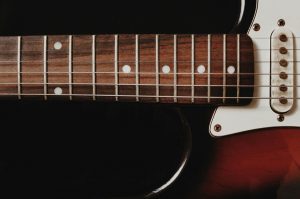
 The frequency of getting new guitar frets depends on several factors, including your playing style, the material of the frets, and how well you maintain your guitar. Here are some guidelines to help you determine when it’s time to get new ones:
Playing Frequency and Style:
- Heavy Players: If you play frequently and use a lot of bending and aggressive playing techniques, they will wear down faster. You might need a refret every few years.
- Light Players: If you play less frequently or have a lighter touch, they may last significantly longer, possibly a decade or more.
Fret Material:
- Nickel Silver: Standard frets are made of nickel silver, which wears down faster than harder materials. Heavy players might need a refret every 2-5 years.
- Stainless Steel: These frets are much harder and more durable. They can last many years, even for heavy players, potentially 10-20 years or more.
Maintenance and Care:
- Regular Maintenance: Regularly cleaning your frets and strings can help reduce wear. Proper humidity control and storage can also extend the life of them.
- Frequent String Changes: Old, dirty strings can increase fret wear. Changing strings regularly helps preserve fret condition.
Signs That You Need New Frets:
- Visible Grooves or Indentations: Deep grooves or flat spots on the frets indicate significant wear and can affect playability and intonation.
- Buzzing or Dead Notes: If you’re experiencing fret buzz or dead notes that can’t be fixed with a setup, it might be due to uneven fret wear.
- Difficulty with Intonation: If your guitar is consistently out of tune despite proper tuning and setup, worn frets might be the culprit.
Partial Refret vs. Full Refret:
- Partial Refret: Sometimes only a few frets in specific areas (often the first few) wear out quickly and need replacing. A partial refret can be a cost-effective solution.
- Full Refret: If most of the frets are worn down, a full refret might be necessary.
Professional Inspection:
- Luthier Assessment: Have your guitar inspected by a professional luthier or technician. They can assess fret wear and recommend whether a fret dressing, partial refret, or full refret is necessary.
In summary, there isn’t a specific timeline for when you should get new frets, as it varies based on individual circumstances. Regular inspections and maintenance, along with paying attention to signs of wear, will help you determine the right time for a refret.