
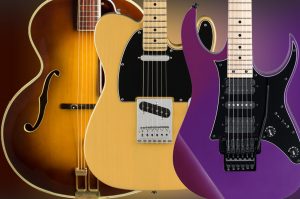
 The evolution of guitar shapes over the years reflects changes in musical styles, technological advancements, and cultural influences. Here are some of the most iconic guitar shapes and their development over time:
1. Classical/Acoustic Guitar (1800s)
- Shape: The classical guitar features a wide, flat body with a pronounced waist and a round sound hole. Its design is relatively consistent, adhering to traditional Spanish lutherie techniques.
- Notable Examples: Torres guitars, Martin 0-18.
2. Archtop Guitar (1920s-1930s)
- Shape: Archtops have a curved top and back, with f-holes similar to those on violins. They were popular among jazz musicians for their louder, more resonant sound.
- Notable Examples: Gibson L-5, Epiphone Emperor.
3. Flat-top Steel-string Acoustic Guitar (1930s)
- Shape: Similar to classical guitars but built for steel strings. They have a larger body and a more robust build to handle the increased tension.
- Notable Examples: Martin D-28, Gibson J-45.
4. Solid-body Electric Guitar (1950s)
- Shape: The solid-body design, pioneered by Leo Fender and Les Paul, allowed for greater sustain and volume without feedback issues.
- Notable Examples: Fender Telecaster (1950), Fender Stratocaster (1954), Gibson Les Paul (1952).
5. Semi-hollow and Hollow-body Electric Guitars (1950s-1960s)
- Shape: These guitars combine elements of solid-body and archtop guitars, offering a balance between sustain and resonance.
- Notable Examples: Gibson ES-335, Gretsch White Falcon.
6. Offset Body Guitars (1950s-1960s)
- Shape: Featuring asymmetrical, offset body shapes designed for improved balance and playing comfort.
- Notable Examples: Fender Jazzmaster (1958), Fender Jaguar (1962).
7. Superstrat (1980s)
- Shape: Based on the Stratocaster design but modified for heavier rock and metal, often with sharper body contours, extended cutaways, and more aggressive aesthetics.
- Notable Examples: Ibanez RG series, Jackson Soloist.
8. Modern and Experimental Shapes (1990s-present)
- Shape: Diverse and innovative, often incorporating ergonomic designs, multi-scale necks, and unconventional body shapes.
- Notable Examples: Parker Fly, Strandberg Boden.
Each of these shapes not only defines a visual aesthetic but also contributes to the guitar’s playability, tone, and suitability for different musical genres.